




 9/11/2026 6:54:52 AM
 107
107Milky flavor is one of the most widely used flavor directions in bakery products. It can make a cake feel softer and fuller, give a biscuit a richer baked character, strengthen the creamy impression of a filling, or help a bread product deliver a more appealing dairy note after baking.
However, “milky” is not one fixed aroma. A fresh milk profile is very different from a rich cream note, a baked butter character or the sweet cooked aroma of condensed milk. If the wrong profile is selected, the flavor may smell pleasant in the sample bottle but feel too light, too heavy, too sweet or disconnected in the finished product.
Understanding the differences between milky flavor profiles is therefore an important first step in bakery product development.
## Milky Flavor Is a Family of Sensory Profiles
When consumers describe a product as milky, they may be referring to several sensations at the same time. These can include a clean fresh-milk impression, soft sweetness, creamy richness, buttery warmth, cooked milk notes or a lingering fatty mouthfeel. The desired balance depends on the product category and the market preference.
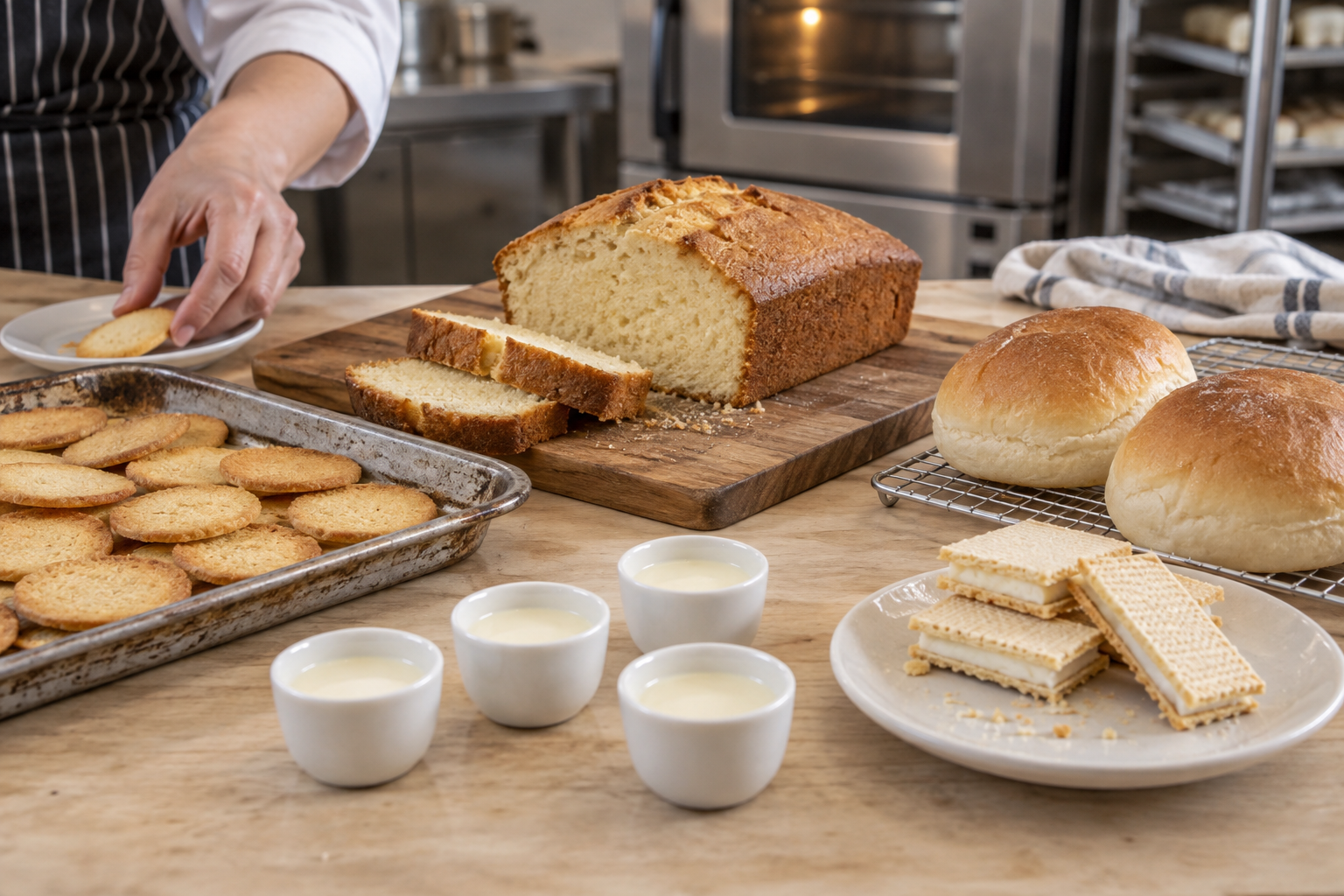
A light sponge cake, for example, may need a clean and gentle milk note that supports vanilla and egg without making the product feel heavy. A sandwich biscuit may require a fuller cream profile that remains noticeable beside the baked biscuit shell. A butter cookie needs a warmer, more roasted dairy direction, while a sweet bun may work better with a rounded milk or condensed-milk profile.
For this reason, choosing a milk flavor only by its name is rarely enough. The developer needs to consider what kind of milk character the final product should communicate and at which stage of eating that character should be most noticeable.
## Fresh Milk Notes: Clean, Light and Soft
Fresh milk profiles are usually associated with a clean, mild and slightly sweet dairy impression. They do not have the strong fatty character of cream or the pronounced baked note of butter. Their role is often to make a product feel softer, fresher and more balanced rather than intensely flavored.
This direction is suitable for light cakes, soft bread, steamed bakery products and products designed around milk, vanilla or egg. It can also help smooth the transition between sweetness and cereal notes. In a delicate sponge cake, a fresh milk flavor should blend into the crumb and create a natural background rather than dominate the first aroma.
Fresh milk notes can be sensitive to the overall formula. Strong cocoa, dark caramel, high levels of spice or heavy roasted flavors may cover them easily. If the base contains strong fermented, eggy or alkaline notes, simply increasing the milk flavor may not create a cleaner result. The background formula should be evaluated first.
## Creamy Notes: Fuller Body and a Rounded Finish
Cream profiles are richer and more rounded than fresh milk profiles. They often give the impression of higher fat, greater smoothness and a longer dairy finish. In sensory terms, creaminess is not only an aroma; it is also connected with sweetness, fat content and mouthfeel.
Cream flavors are commonly suited to cakes, wafers, sandwich biscuits, custard-style fillings, cream fillings and coated bakery products. They can help connect the bakery base with a filling or coating, especially when the product needs a continuous creamy impression from the first bite to the aftertaste.
The formula has a strong influence on how convincing the cream note feels. In a low-fat base, an overly heavy cream profile may smell rich but lack the mouthfeel needed to support it. In a high-fat filling, the same flavor may become smoother and less obvious because some aroma is retained by the fat phase. The best result usually comes from matching aroma intensity with the physical richness of the product.
## Butter Notes: Warm, Baked and Rich
Butter profiles are usually warmer and more closely associated with baking than fresh milk or cream profiles. They can include sweet butter, browned butter, cultured butter or baked buttery directions. These variations are not interchangeable.
A soft sweet-butter profile may support pound cake, butter cake or milk bread. A stronger baked-butter note can work well in cookies, crackers, pastries and other products where toasted cereal and caramelized aromas are important. A cultured-butter direction may add depth, but it must be carefully balanced so that the slight fermented character does not become sour or overly mature.
Butter flavors often need good persistence because bakery products can be exposed to high temperatures and long baking times. At the same time, the most heat-resistant or intense option is not automatically the best. A heavy butter note may hide vanilla, fruit or nut characters and make a light cake feel greasy. The target should be a clear baked richness that fits the product, not simply the strongest possible aroma.
## Condensed Milk Notes: Sweet, Cooked and Comforting
Condensed milk profiles combine dairy character with noticeable sweetness and cooked-milk warmth. Compared with fresh milk, they tend to feel denser, richer and more indulgent. Some profiles may also suggest caramelized sugar or a lightly browned dairy note.
This direction is useful in sweet buns, filled bread, cakes, biscuits, wafers and cream fillings designed around a familiar sweet-milk character. It can also pair well with vanilla, caramel, coconut, coffee and certain nut profiles.
Because condensed milk flavor already suggests sweetness, the sugar level of the product matters. In a highly sweetened filling, an overly strong condensed-milk note may become cloying. In a less sweet bread base, it can provide warmth and fullness, but it may need support from a cleaner milk note to prevent the profile from feeling too cooked.
## The Bakery Base Changes How Milky Flavor Is Perceived
The same milky flavor can behave differently in cakes, biscuits, bread and fillings because each system has a different balance of water, fat, sugar, protein and air.
Cake has a moist, aerated structure that can deliver dairy aroma gradually during eating. Egg, vanilla, oil or butter already contribute their own background, so the added milk flavor must integrate with them. A flavor that is too sharp may sit above the cake aroma instead of becoming part of it.
Biscuits contain less water and usually develop stronger toasted and browned notes. Their crisp structure releases aroma quickly during chewing, but high baking temperatures may reduce delicate top notes. A fuller cream or butter direction often performs better than a very light fresh-milk profile, although the exact choice depends on the desired product character.
Bread introduces yeast fermentation and cereal aromas. A milk flavor used in bread should remain compatible with these notes rather than cover them completely. Soft bread and sweet buns often benefit from a clean milk or condensed-milk direction, while richer rolls may support butter and cream notes.
Fillings and coatings create another environment. Fat-rich fillings can hold certain aroma components and release them more slowly, while water-based fillings may present top notes more quickly. The flavor used in the filling also needs to work with the surrounding cake, biscuit or wafer rather than being evaluated alone.
## Heat, Fat and Sugar All Influence the Final Result
Baking changes flavor through both aroma loss and the creation of new baked notes. Some volatile top notes may decrease as temperature rises, while browning reactions generate toasted, nutty and caramel-like aromas. A milk flavor that seems clean before baking may become warmer afterward, and a butter profile may merge with the natural baked character of the base.
Fat can make a dairy profile feel richer, but it can also slow the release of some aroma during eating. Sugar supports sweet dairy associations and can strengthen the impression of condensed milk or cream. However, excessive sweetness may flatten the distinction between different milk profiles and make the aftertaste feel heavy.
Water content is equally important. A moist cake, a crisp biscuit and an oil-based filling release aroma in different ways. This is why dosage cannot be transferred mechanically from one application to another. The flavor must be tested in the actual formula and under the intended baking and storage conditions.
## Stronger Is Not Always More Natural
When a milk flavor seems weak after baking, increasing the dosage may appear to be the easiest solution. Sometimes an adjustment is necessary, but higher dosage can also exaggerate fatty, cooked or sweet notes and create an artificial aftertaste.
It is better to identify what is missing. The product may need more fresh milk character, greater creamy body, a warmer butter note or better persistence after baking. In some cases, layering two compatible dairy directions can create a more complete result than relying on one very strong flavor. For example, a clean milk base may be supported by a small amount of cream or butter character, depending on the target application.
Evaluation should be carried out after the product has cooled, because the aroma of a hot cake or biscuit is not the same as its normal eating condition. Products with a commercial shelf life should also be checked during storage, as fat oxidation, moisture migration and aroma loss can gradually change the dairy impression.
Choosing the Right Milky Flavor for the Product
A practical selection process begins with a clear target. Is the product intended to taste like fresh milk, rich cream, baked butter or sweet condensed milk? Should the dairy note appear immediately, remain through the middle of the bite, or provide a soft lingering finish? What other flavors must it support?
The answer determines which samples should be tested. The bakery base, fat source, sugar level, baking profile, filling system and expected shelf life should all be considered before the final choice is made.
Liangdun focuses on food flavors for bakery applications, including cakes, bread, biscuits, wafers, fillings and coated products. Rather than treating all milky flavors as the same, we consider the desired dairy profile and the conditions of the finished application. This helps customers compare samples more efficiently and choose a milk, cream, butter or condensed-milk direction that fits the actual product.
The goal of a good milky flavor is not simply to make a product smell stronger. It should make the bakery product feel more complete, recognizable and balanced from the first aroma to the final aftertaste.