




 9/17/2026 2:27:49 AM
 87
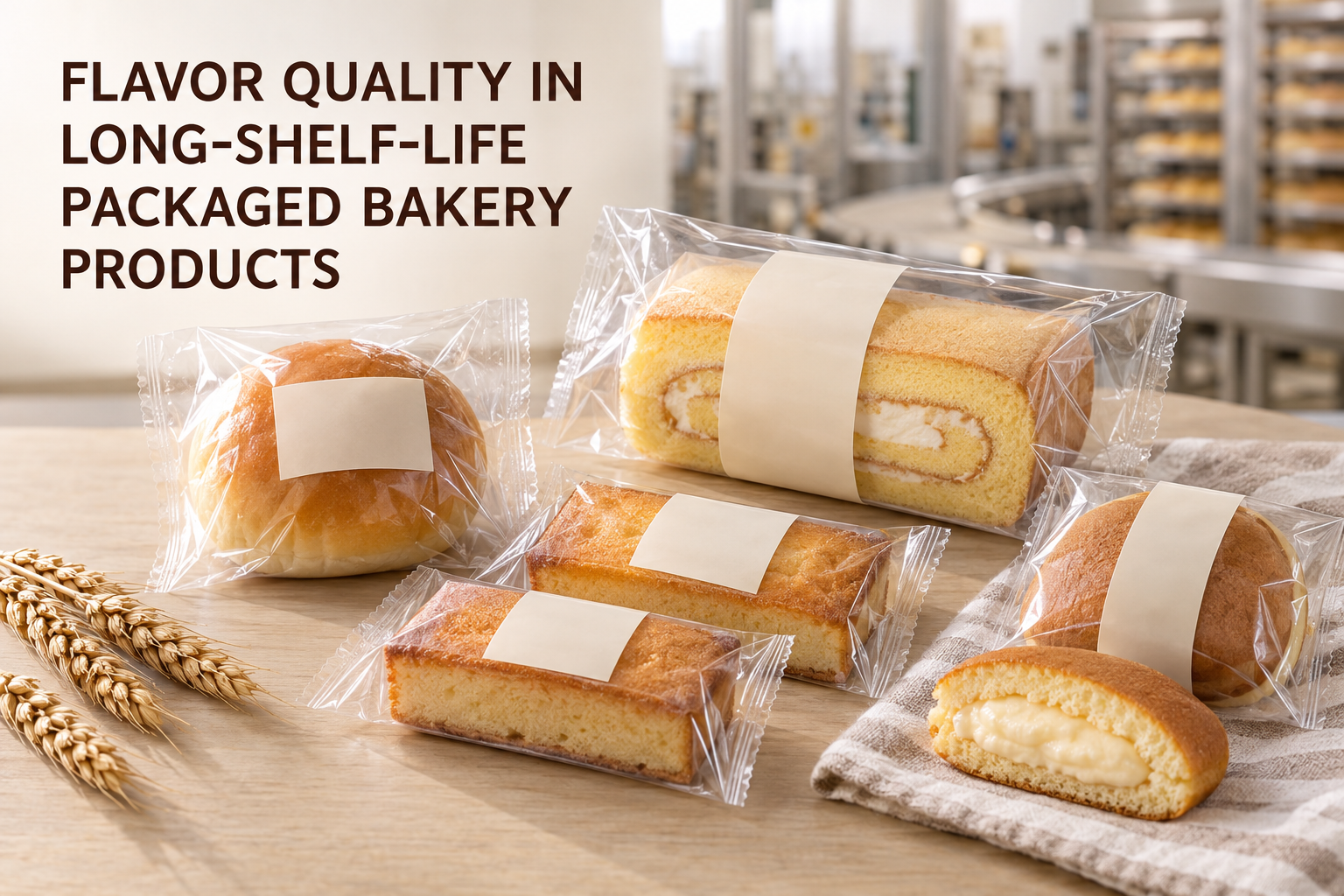
87Freshly baked bread and cake benefit from a powerful advantage: consumers often eat them while their crust, crumb and warm baking aroma are still at their best. Industrial packaged bakery products face a very different challenge. A soft bread, Swiss roll, filled cake or individually wrapped cupcake may need to travel through a distribution network, remain on a supermarket shelf and still deliver a recognizable, pleasant flavor when the package is finally opened.
For these products, good flavor is not simply a question of creating a strong aroma on the production day. The flavor must survive baking, remain balanced after cooling, interact properly with the packaging environment and continue to match the product as its texture and composition gradually change during storage. A product that smells attractive immediately after baking may taste much flatter several weeks later. Another product may retain a strong aroma but develop an unbalanced oily, overly sweet or artificial impression.
Maintaining flavor quality therefore requires a complete view of the product—from mixing and baking to packaging and the later stages of shelf life.
The Flavor Journey Continues After Baking
Baking creates many of the aromas that consumers associate with bread and cake. Heat produces toasted, caramelized, buttery and cereal-like notes, while also changing the flavor ingredients added to the dough or batter. Some volatile components are released during baking, some remain in the crumb or fat phase, and others become more noticeable only after the product cools.
The cooling stage is especially important in industrial production. A warm product may have a rich aroma because heat helps volatile compounds reach the nose quickly. After cooling, the same product can appear less aromatic even though its basic formulation has not changed. At this stage, the flavor is no longer supported by warmth, so its balance within the actual bread or cake matrix becomes easier to judge.
Packaging introduces another environment. Once sealed, volatile compounds begin to establish a balance between the product and the air inside the package. Some aromas remain bound within the crumb or fat, while others move into the package headspace. When the consumer opens the wrapper, the first aroma impression comes partly from this headspace and partly from the freshly exposed product. This is why opening aroma and eating flavor should both be evaluated; they are related, but they are not identical.
Why Flavor Changes During a Long Shelf Life
Packaged bakery products do not remain completely unchanged during storage. Even when a product remains safe and visually acceptable, small physical and chemical changes can alter how its flavor is perceived.
Moisture movement is one of the most common factors. In soft bread and sponge cake, water can redistribute between the crumb, crust, filling and surrounding air. A drier crumb may release aroma differently from a moist one, while a cake that becomes sticky or dense may make the same flavor feel heavier. In filled products, moisture can also move between the bakery base and the filling, changing both texture and the timing of flavor release during eating.
Fat is another important part of the system. It carries many flavor compounds and gives butter, milk, cream and vanilla profiles their roundness. However, the quality of the fat and its exposure to oxygen, heat and light can influence the product during storage. When oxidative notes begin to appear, delicate milk or cream aromas may lose freshness, and simply adding more flavor will not correct the underlying problem. Flavor selection must therefore be considered together with raw material quality, processing and packaging performance.
The bakery structure itself also changes. Bread may gradually lose softness, while cake crumb can become firmer or less elastic. These texture changes affect chewing, saliva contact and aroma release. Consumers experience flavor through the complete product, so a change that appears to be an aroma problem may actually result from a combination of texture, moisture and flavor changes.
Packaged Bread Requires a Soft but Recognizable Profile
Supermarket bread products include sliced loaves, filled buns, milk bread, sweet rolls and individually wrapped breakfast breads. Their flavor profiles are often expected to be gentle and familiar rather than highly intense. Milk, butter, cream, vanilla, cereal and light fermented notes are commonly used to create a fuller impression and support the natural baked character.
The difficulty is maintaining this soft profile without allowing it to disappear during storage. A very delicate fresh-milk note may be pleasant in a newly baked sample but become difficult to identify later. On the other hand, an excessively strong creamy or buttery note can make packaged bread feel oily or artificial, especially after several days in a sealed wrapper.
The best result usually comes from balance. The selected flavor should work with the flour, fat, sugar, yeast and fermentation character of the bread. It should also be evaluated after the product has fully cooled and at several points during its expected commercial life. For filled buns, the bread and filling must be tested together, because a strong chocolate, custard or fruit center can easily dominate a mild bread aroma.
Cakes and Swiss Rolls Have Different Retention Challenges
Packaged sponge cakes, Swiss rolls, muffins, cupcakes and layer cakes usually contain more sugar, fat and egg than bread. These ingredients create a richer base but also change the way flavors are held and released. Milk, butter, vanilla, egg, cream, caramel, chocolate and fruit profiles can all behave differently depending on the fat level, emulsification system and moisture content of the product.
In a plain sponge cake, the main objective may be a clean combination of egg, milk and vanilla notes. In a Swiss roll, the cake layer must also coordinate with a cream, jam or chocolate filling. An individually wrapped muffin may need a fuller butter or vanilla character that remains noticeable after storage, while a small filled cake may rely on contrast between the outer cake and the center.
These products should not all use the same flavor solution simply because they belong to the cake category. A flavor that performs well in a high-fat muffin may seem weak or unbalanced in a light sponge. A condensed-milk direction that suits a sweet filled cake may feel too heavy in a simple breakfast cake. The application base determines how the flavor is perceived.
Packaging Protects the Product but Also Shapes Aroma
Packaging is essential for controlling moisture exchange, oxygen exposure, contamination and physical damage, but it also influences the sensory experience. Film properties, package size, residual air, product-to-headspace ratio and sealing quality can all affect the aroma present when the wrapper is opened.
This means packaging trials should not be separated from flavor trials. Evaluating an unwrapped product in the application laboratory is useful during early development, but it cannot fully predict the experience of a product stored in its final commercial package. A realistic test should use the intended product weight, wrapper and sealing conditions whenever possible.
Unwanted odor transfer must also be considered. Packaging materials, inks, adhesives, cartons and nearby strongly scented products can affect the final aroma if they are not properly selected or controlled. A suitable bakery flavor can strengthen the desired profile, but it should not be expected to cover packaging-related off-notes.
Stronger Is Not Always More Stable
When aroma becomes weaker during storage, the first response is often to increase the flavor dosage. Sometimes an adjustment is appropriate, but intensity alone does not guarantee stability. A higher dosage can create an overpowering opening aroma while leaving the eating experience unbalanced. It may also emphasize one part of the profile—such as a sweet creamy top note—without improving the baked, buttery or milky character that the product actually needs.
A better approach is to define the desired sensory profile first. Does the bread need a fresh milk impression, a richer cream note or a more baked butter direction? Should the cake feel light and vanilla-led, or dense and condensed-milk-like? Is the flavor expected to support the base, distinguish a filling or create a recognizable signature for the brand?
Once the target is clear, the flavor can be matched to the application and production process. The result should be judged for aroma intensity, authenticity, aftertaste and coordination with sweetness, fat and texture. Stability is not simply the survival of a strong smell; it is the preservation of a balanced and recognizable product identity.
Test the Product at More Than One Time Point
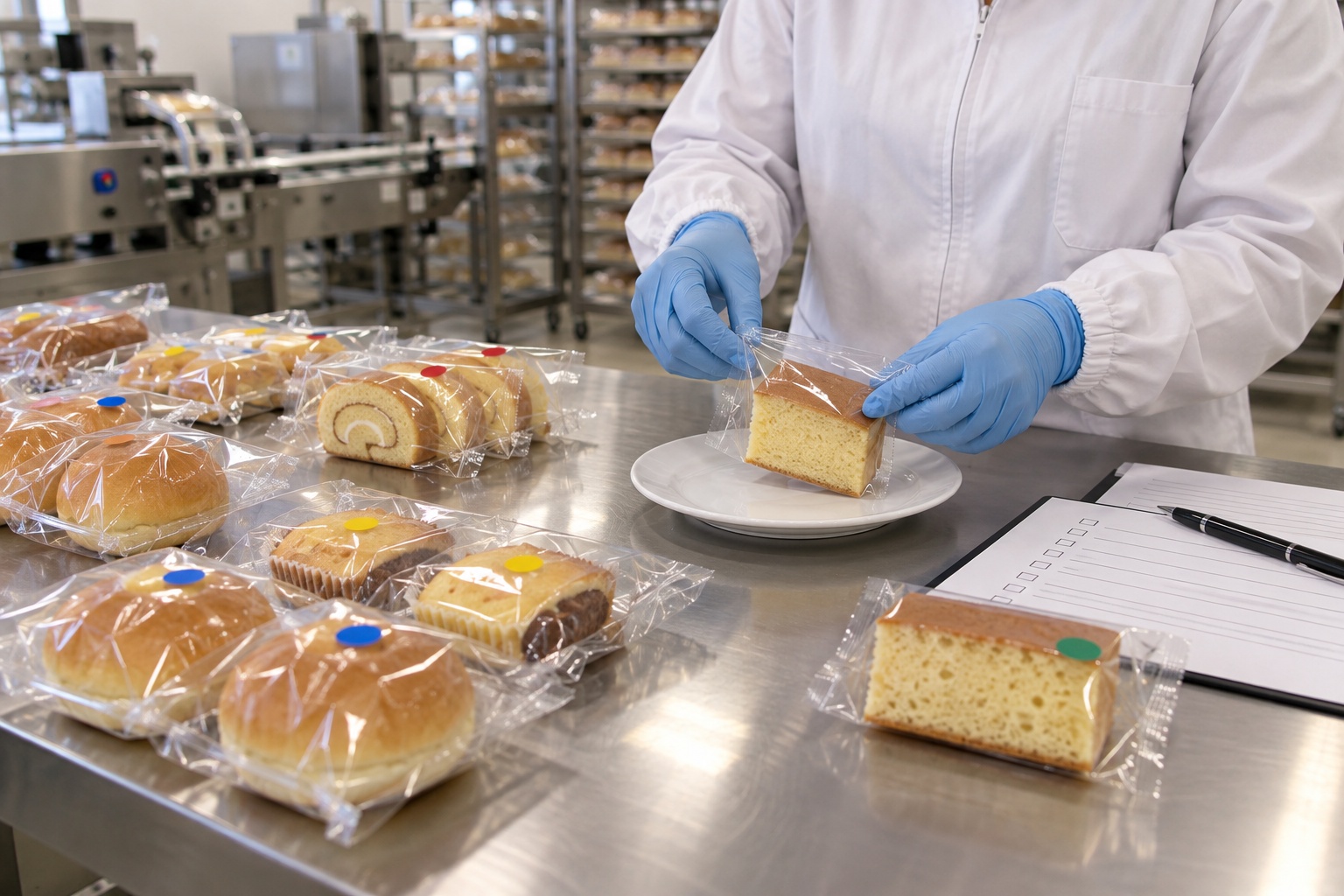
For packaged industrial bakery products, day-one evaluation is only the beginning. A practical testing plan should compare samples after cooling, after initial packaging equilibration, during the middle of the intended shelf life and near its end. The exact schedule depends on the product and its validated shelf-life program.
At each stage, the team should evaluate the sealed-package odor, the aroma immediately after opening, the flavor during eating and the aftertaste. Texture, moisture, color and any emerging off-notes should be recorded at the same time. Comparing these factors helps determine whether a change comes mainly from flavor loss, fat oxidation, moisture migration, texture development, packaging interaction or another part of the formulation.
Accelerated tests can be useful for comparing prototypes, but they should not completely replace real-time storage under the product's actual distribution conditions. Temperature and handling can change the rate and type of deterioration, so final decisions should be confirmed in the commercial product and package.
Building a More Reliable Bakery Flavor Solution
Flavor development for industrial bakery products works best when the complete application is considered. The same milk, butter or vanilla flavor may perform differently in bread, sponge cake, Swiss roll or filled cupcake because each product has its own combination of water, fat, sugar, protein, baking conditions and packaging format.
At Liangdun, bakery flavor development focuses on how a flavor performs in the finished application rather than only how it smells from the bottle. By considering the bakery base, production temperature, desired profile, filling or coating, package format and expected storage period, we can help customers compare more suitable flavor directions for packaged bread and cake products.
Flavor is only one part of shelf-life quality. It cannot replace hygienic production, validated microbiological control, appropriate formulation, high-quality ingredients or effective packaging. When these elements are developed together, however, a well-matched bakery flavor can help the product retain a clearer, more consistent and more recognizable sensory character from the factory to the supermarket shelf.
Conclusion
Long-shelf-life packaged bakery products require a different flavor strategy from fresh bakery items. Their sensory quality is shaped by baking, cooling, moisture movement, fat condition, texture, packaging and storage time. A flavor that performs well on the production day must still remain balanced when the consumer opens and eats the product later.
For industrial bread, Swiss rolls, filled cakes and individually wrapped bakery snacks, the most reliable approach is to select flavors in the real application, test them in the final package and evaluate them throughout the intended shelf life. This creates a more useful picture of flavor performance—and supports a product that continues to taste like the product the manufacturer originally designed.